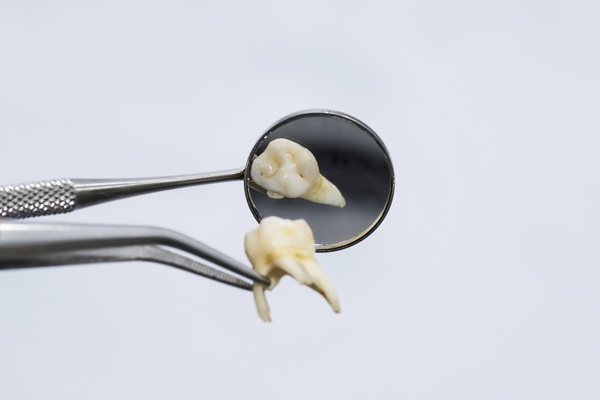
Tooth Extractions Demystified: When, Why & What to Expect
are among the most common dental procedures. However, you may feel uncertain about when this procedure is necessary, why it is recommended, and what the recovery process involves. Understanding the details surrounding tooth extractions can reduce any fear you may have and provide clarity about their role in helping you maintain your long-term oral health.
When tooth extractions are necessary
Tooth extractions are typically considered a last resort when less invasive treatments, such as fillings, root canals, or crowns, cannot effectively save the natural tooth. Several situations may warrant the removal of a tooth, including:
- Severe decay or infection
- Advanced gum disease
- Impacted wisdom teeth
- Overcrowding
- Trauma or injury
How tooth extractions benefit oral health
Although the idea of losing a natural tooth may seem intimidating, tooth extractions provide important benefits for overall oral health. Removing a problematic tooth can:
- Eliminate sources of infection: Bacteria trapped in severely decayed or infected teeth can lead to oral infections (abscesses) and contribute to systemic health issues if not treated.
- Protect surrounding teeth: Extracting a damaged, impacted, or infected tooth can prevent adjacent teeth from moving, decaying, and misaligning.
- Relieve discomfort: Teeth causing pressure, swelling, or chronic pain can affect chewing, speaking, and overall comfort.
- Improve future treatment outcomes: Tooth extractions performed before orthodontics or implant placement can support the patient's long-term treatment outcome and functional alignment.
In many cases, the removal of a single tooth creates a foundation for restorative solutions such as dental implants, bridges, or dentures. These restorations replace lost function while maintaining a natural appearance.
What to expect during the procedure
A tooth extraction can be either simple or surgical. A simple extraction involves visible teeth that can be loosened and removed with specialized instruments. The dental team uses local anesthesia to numb the treatment area, ensuring the patient is comfortable throughout the procedure.
In contrast, the dentist may recommend a surgical extraction in more complex cases. This may be when a tooth or teeth are impacted, broken at the gum line, or require the removal of surrounding bone. In these situations, the dental team may administer sedation in addition to a local anesthetic.
Both procedures typically take less than an hour. However, more complex cases may require additional time. During the procedure, patients typically feel pressure but no pain, as the local anesthetic blocks discomfort.
What to expect from the healing process
After a tooth extraction, the healing process begins almost immediately. A blood clot forms in the socket, protecting the bone and nerves while new tissue develops. Most patients recover from a simple tooth extraction within one to two weeks. However, surgical extractions may take slightly longer.
Pain relief
It is common to experience some swelling and mild discomfort within the first 48 hours. However, these symptoms typically decrease over time. Patients can use cold compresses and take over-the-counter pain medication to alleviate any discomfort. In some cases, the dentist may prescribe pain medication or antibiotics to prevent post-operative complications.
Oral hygiene
Maintaining good oral hygiene is also an important part of recovery. Gentle rinsing with warm salt water after the first day can support the healing process while reducing the presence of bacteria in the mouth. While patients need to continue brushing their teeth, they should refrain from touching the extraction site until the dentist gives them the go-ahead.
Dietary restrictions
In terms of diet, patients should stick to soft ot liquid foods until the extraction site begins to heal. This helps to protect the healing area from additional stress from chewing food. In the meantime, they should steer clear of hard, sticky, or spicy foods during this initial recovery period.
Long-term outlook after a tooth extraction
The removal of a tooth does not have to mean a permanent gap in the smile. Dentists offer a variety of tooth replacement methods that preserve oral health and restore aesthetics. For example, dental implant restorations mimic natural tooth roots and contribute to long-term oral function. Traditional options like bridges and partial dentures also provide effective solutions depending on the patient's unique needs. Nevertheless, the goal is to restore chewing ability, maintain facial structure, and protect overall oral health following a tooth extraction.
Would you like to learn more about tooth extractions?
While it is natural to feel intimidated by tooth extractions, this procedure can help you maintain your oral health and prevent further complications. Do you have any remaining questions or concerns about tooth extractions? Call our Bryan office to learn more or to schedule a consultation with the TJ Family & Implant Dentistry PLLC team.
Request an appointment here: https://www.tj-dental.com or call TJ Family & Implant Dentistry PLLC at (979) 721-9410 for an appointment in our Bryan office.
Check out what others are saying about our dental services on Google: .
Related Posts
In most cases, a tooth extraction is the last resort. A dentist will not ordinarily recommend this procedure if other options are viable. After all, living without teeth presents many challenges. This is an embarrassing condition that can affect a person’s self-esteem. Missing teeth can also make it difficult to eat and can increase your…
Regardless of one's oral health care routine, a person may need a tooth extraction some point in their life. The first step involves a general dentist examining your teeth to determine which tooth, or teeth, needs extraction. Whether a tooth is infected, impacted, or growing at a crooked angle, tooth extractions are an essential and…
When a dental emergency hits, it is important to know where to go to access the right care. An emergency dentist is often the right provider, although life-threatening emergencies require a trip to the emergency room. Learning when to go to the emergency dentist versus the emergency room can save you time, money, and discomfort.…
Pain or discomfort in your mouth might call for an emergency dentist. Emergency dentists often treat cracked or broken teeth, knocked-out teeth, and severe mouth pain. Some swollen jaws are considered dental emergencies as well. Read on to learn what constitutes a swollen jaw emergency and how emergency dentists can help.If the swelling in your…